What is stick welding (SMAW)
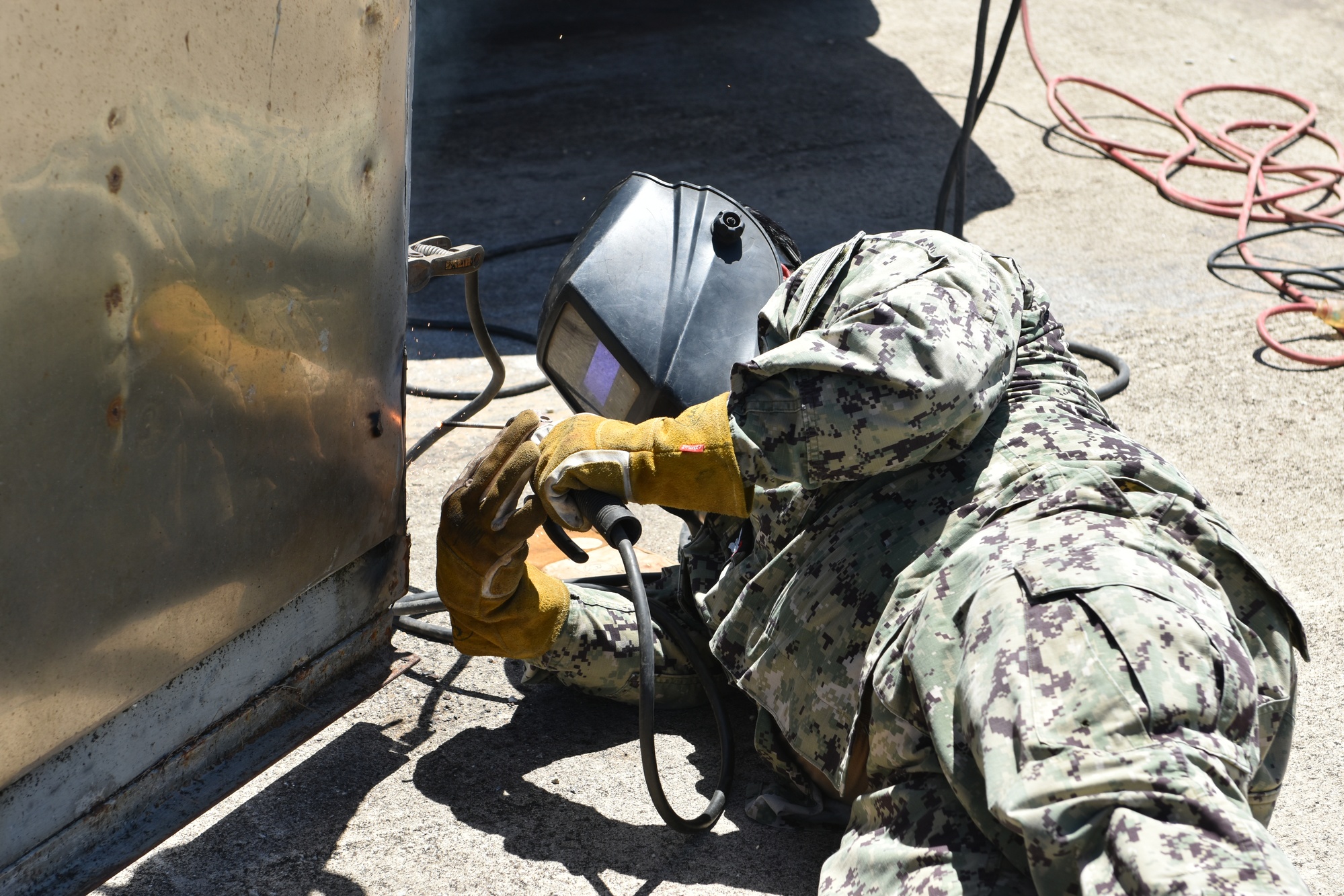
What is stick welding?
Stick welding is the common name for shielded metal arc welding (SMAW), a process that joins metal using a flux-coated consumable electrode. An electric current runs through the electrode, striking an arc between the electrode tip and the base metal. The arc melts both the electrode and the metal, and the flux coating burns to form a gas shield and a slag layer that protect the weld while it cools.
How the process works
The electrode does two jobs at once: it supplies filler metal, and its coating supplies shielding. As the electrode burns, the flux converts into a gas that pushes air away from the molten weld pool, plus a layer of slag that hardens on top of the finished bead. A welder chips that slag off once the weld cools. This differs from MIG welding, which feeds a bare wire electrode and relies on a separate shielding gas fed through the torch, and from TIG welding, which uses a non-consumable tungsten electrode with its own gas supply and usually a hand-fed filler rod.
Why it holds up outdoors and on dirty steel
Stick welding does not need a gas cylinder or gas line, because the flux coating on the electrode produces its own shielding gas as it burns. That is the practical reason stick welding tolerates wind and outdoor jobsites better than MIG welding: there is no external gas stream for wind to disturb. The same trait makes it more forgiving on rusty or painted steel than a process that depends on a clean, undisturbed gas shield to protect the weld pool.
Where stick welding is used
Stick welding shows up on construction sites, pipeline work, and structural steel jobs, settings where equipment needs to survive wind, weather, and rough handling. Structural steel work is commonly qualified against the AWS D1.1 structural welding code, which governs how steel structures are welded and inspected. Stick welding is one of the processes structural welders use to meet that code, alongside other processes depending on the job.
Field maintenance and repair work favors stick welding for a similar reason: a technician can carry a power source and a box of electrodes to a remote site without hauling gas cylinders or a wire feeder.
Stick welding equipment basics
A stick welding setup is short: a power source that runs AC or DC depending on the machine and electrode, an electrode holder that clamps the flux-coated rod, a ground clamp that completes the circuit at the workpiece, and a supply of electrodes matched to the base metal and welding position. There is no wire feeder, no gas regulator, and no gas hose to route, which is a large part of why the setup travels well to a jobsite. The tradeoff is manual electrode changes: a stick electrode burns down and gets replaced every few minutes of active welding, unlike a spool-fed MIG wire that runs continuously through the gun.
Is stick welding taught first?
Stick welding is often the first process a new welder learns, mainly because the equipment is simple: a power source, an electrode holder, a ground clamp, and electrodes, with no wire feeder or gas system to manage. That simplicity makes it a common starting point in welding curricula. Programs vary in the order they teach MIG, TIG, and stick, so not every program leads with it.
Choosing a program that teaches stick welding
Not every welding program covers every process in the same order or depth. Across the 938 programs in our national directory, process coverage varies by school, and a program's listing shows which processes it teaches. Check a program's curriculum before enrolling if stick welding specifically is the skill you want to build first.
FAQ
What does SMAW stand for?
Shielded metal arc welding, commonly called stick welding, named for the stick-shaped flux-coated electrode it uses.
Does stick welding need shielding gas?
No. The flux coating on the electrode burns to produce its own shielding gas, which is why stick welding does not require a separate gas cylinder or line.
Why is stick welding common outdoors?
Because it does not rely on an external gas shield, wind does not disrupt the weld the way it can with MIG welding, which makes stick welding a common choice for outdoor and construction work.
Is stick welding harder to learn than MIG welding?
Difficulty depends on the learner, but stick welding is frequently taught first because its setup is simpler: no wire feeder or gas system to configure before striking an arc.
What equipment does stick welding require?
A power source, an electrode holder, a ground clamp, and flux-coated electrodes matched to the job. No wire feeder or shielding gas setup is needed.