MIG vs. TIG vs. stick: which should beginners learn first
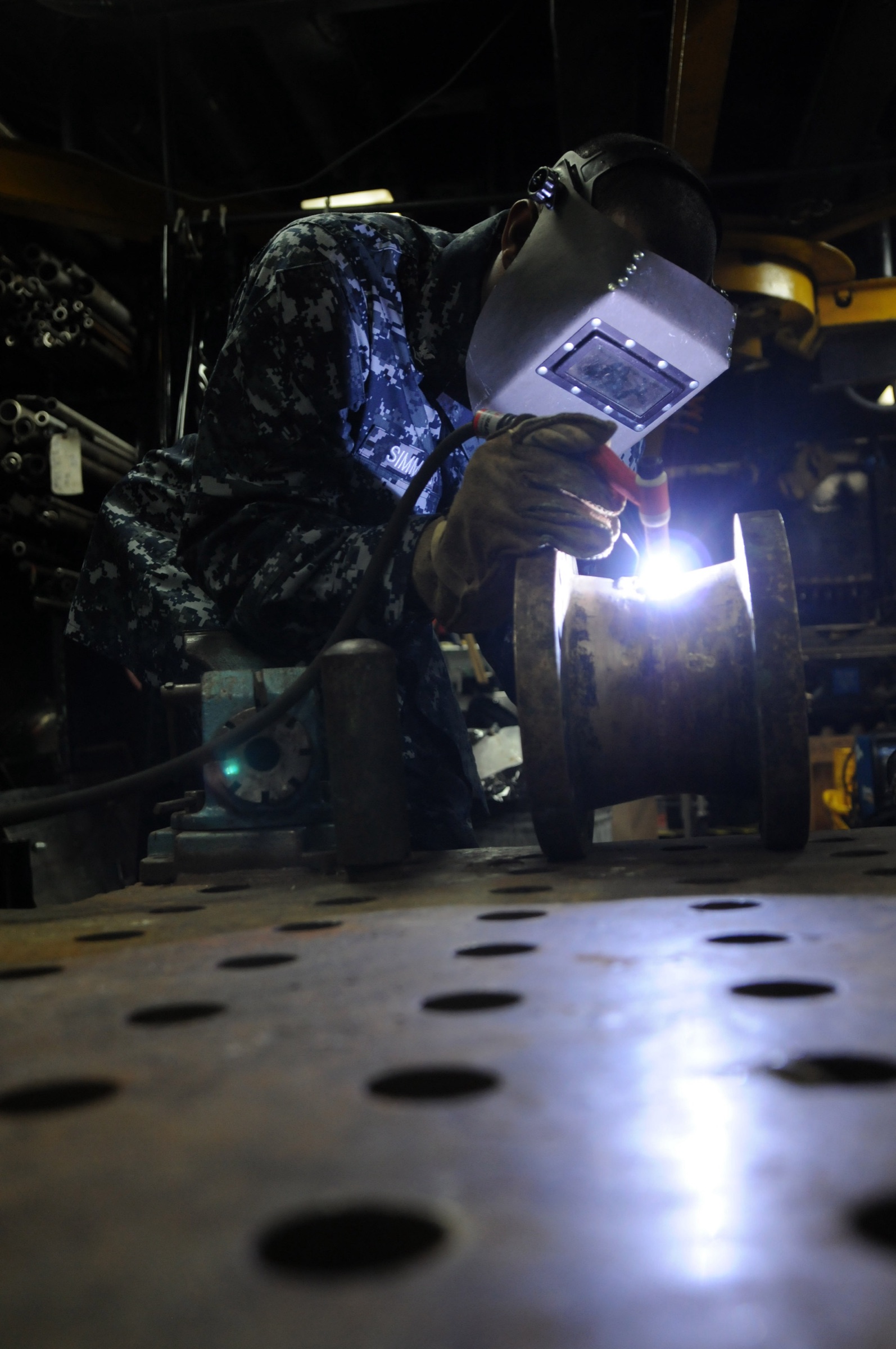
MIG, TIG, or stick: which should a beginner learn first?
This is a question about which welding technique to train on, not which welding machine to buy. Among the three, MIG (GMAW) is generally considered the easiest process to learn, which is why many training programs introduce it first. TIG (GTAW) demands more precision and a longer learning curve. Stick (SMAW) uses the simplest equipment and tolerates rough conditions better than either of the other two. Which one is "first" for you depends on what you plan to weld and where.
MIG welding (GMAW)
MIG, gas metal arc welding, feeds a continuous wire electrode through a gun while a shielding gas protects the weld pool from contamination. The continuous wire feed is what makes it approachable: the welder controls travel speed and gun angle rather than manually feeding a rod or electrode, which shortens the learning curve compared to TIG. MIG is widely used in manufacturing and general fabrication on steel and aluminum in shop conditions with a stable, wind-free environment.
TIG welding (GTAW)
TIG, gas tungsten arc welding, uses a non-consumable tungsten electrode and, typically, a separate hand-fed filler rod, with a foot or hand control governing heat input. That separation of tasks, hand feeding filler while controlling the torch and the amperage, is what gives TIG its precision and its steeper learning curve. TIG is the common choice for aluminum, stainless steel, and thin material where weld appearance and control matter. It also runs slower than MIG, which suits precision work but adds to production time.
Stick welding (SMAW)
Stick, shielded metal arc welding, uses a flux-coated consumable electrode and no shielding gas, since the flux coating generates its own protective gas and slag as it burns. That gas-free design is what makes stick the most tolerant of outdoor, windy, or dirty job-site conditions, where a shielding gas would simply blow away. Stick welding is common in construction and pipeline work, and it is closely associated with structural work governed by codes like D1.1. Equipment is simpler and more portable than MIG or TIG setups, which is part of why it holds on in field conditions.
How the three compare
- MIG: continuous wire feed, easiest learning curve, best in a stable shop environment.
- TIG: separate filler rod and torch control, most precise, steepest learning curve, common on aluminum, stainless, and thin material.
- Stick: flux-coated electrode, no shielding gas needed, most tolerant of outdoor and dirty conditions, common in construction and pipeline work.
No single process is "better" across the board. Each fits a different combination of material, environment, and required precision, which is exactly why job specifications and codes call out a specific process rather than leaving it to preference.
How this connects to the D-series codes
The D-series codes (D1.1 structural steel, D1.2 aluminum, D1.3 sheet steel, D1.5 bridge welding, D1.6 stainless steel, D1.8 seismic supplement) govern the finished weld, not the process by name, but in practice certain processes pair naturally with certain codes: stick and MIG are common on D1.1 structural steel, TIG shows up more on D1.2 aluminum and D1.6 stainless work. A welder qualifies to a code through a procedure test, and which process that procedure specifies determines what you need to be competent in.
Choosing a program based on process coverage
Since the process you train on shapes what jobs you are ready for, check a program's curriculum for which of MIG, TIG, and stick it actually teaches, and how much hands-on time is allocated to each, before enrolling. That information is knowable at the program level. The national program directory covers 938 IPEDS-listed welding programs across all 50 states, searchable by state and cost, so you can compare programs before committing.
FAQ
Which welding process is easiest for beginners?
MIG is generally considered the easiest to learn, due to its continuous wire feed, which is why many training programs teach it first.
Why is TIG harder to learn than MIG?
TIG requires the welder to hand-feed a filler rod while separately controlling the torch and heat input, a combination that takes more practice than MIG's single-gun setup.
Why is stick welding used outdoors?
Stick welding uses a flux-coated electrode that generates its own shielding gas and slag as it burns, so it does not depend on an external shielding gas that wind can disperse, making it more tolerant of outdoor and dirty conditions.
Do I need to learn all three processes?
Not necessarily. Which processes you need depend on the work you want to do. Check a training program's curriculum, and the code or industry you're aiming for, to decide which processes to prioritize.
Is one process faster to master than the others?
MIG's continuous wire feed generally shortens the time it takes to produce a consistent weld compared to TIG, which requires coordinating a hand-fed filler rod with torch and heat control at the same time. Stick sits in between: the equipment is simple, but managing arc length and electrode angle with a consumable rod still takes practice.